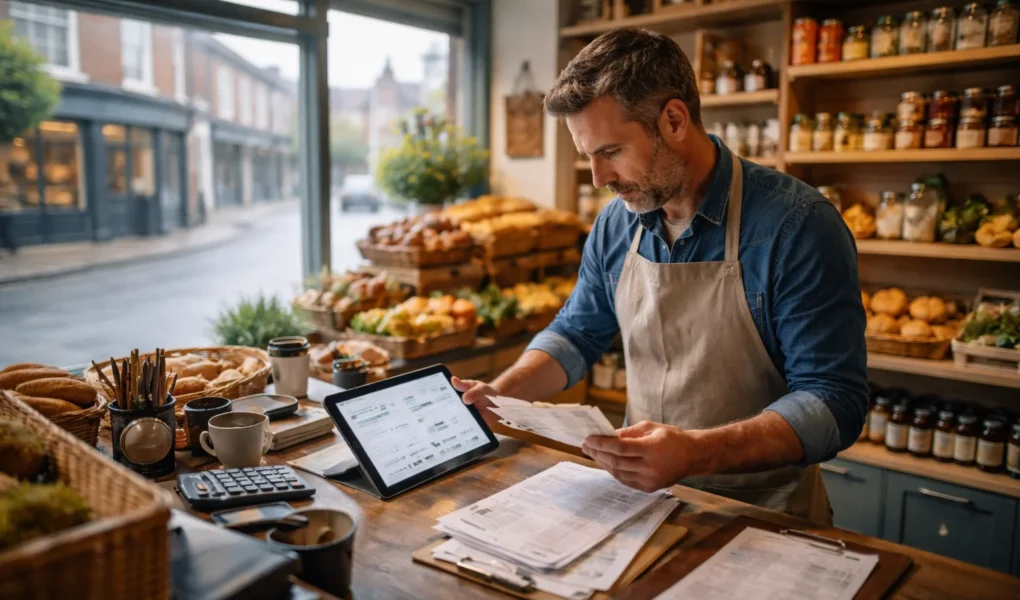
Rising costs have become one of the biggest challenges for independent retailers across the UK. From rent and utilities to wages and supplier prices, local shops are under constant pressure to maintain profitability without losing customer trust. Yet many continue to survive and even grow. The question is not simply how they cope, but what actually keeps them profitable when expenses rise.
Understanding the strategies behind local shop resilience reveals how community engagement, smart pricing, operational discipline, and adaptability combine to offset financial strain.
Why Are Rising Costs Such a Serious Threat to Local Shops?
Unlike large chains, local shops operate with limited margins and far less buying power. When costs rise, there is rarely a financial buffer to absorb them. Energy bills, rent increases, higher minimum wages, and supplier inflation all hit simultaneously, forcing difficult decisions.
What makes this especially challenging is that local shops cannot always pass costs directly onto customers. Price sensitivity is high, particularly during periods of wider economic uncertainty. Raising prices too aggressively risks losing loyal customers to supermarkets or online alternatives.
This imbalance means that profitability increasingly depends on strategic choices rather than volume or scale.
How Do Local Shops Adjust Pricing Without Losing Customers?
Pricing is one of the most delicate tools available to independent retailers. Successful shops rarely rely on blanket price increases. Instead, they take a targeted approach that balances perception and value.
Many shop owners review their product mix and identify which items can tolerate small increases and which must remain competitively priced. Essentials often stay stable, while premium or speciality items absorb higher margins.
Rather than advertising price rises, shops frequently reposition products by highlighting quality, provenance, or service. Customers are more accepting of higher prices when they understand the value behind them.
A subtle but effective strategy is price rounding. Small incremental increases often go unnoticed, yet over time they contribute meaningfully to profitability.
What Role Does Customer Loyalty Play in Sustaining Profitability?
Customer loyalty is one of the strongest defences against rising expenses. Local shops that have invested years into building relationships are better positioned to weather financial pressure.
Regular customers are more forgiving of modest price changes and more likely to continue supporting a business they trust. This loyalty often stems from familiarity, personalised service, and a sense of shared identity with the shop.
In many towns, local retailers are embedded into daily routines and community life. This emotional connection creates resilience that price alone cannot undermine.
Shops that actively engage with their communities, whether through local events, partnerships, or storytelling, reinforce this loyalty even further. Platforms such as www.prestonblog.co.uk often highlight how local businesses remain visible and relevant by staying connected to the people they serve.
How Does Product Selection Help Offset Higher Operating Costs?
Choosing the right products can significantly improve margins without increasing footfall. Many local shops shift focus toward items that offer better profit per sale rather than chasing volume.
Strategic Product Mix Decisions
A well-curated selection allows shops to control profitability more effectively. This often includes:
- Locally sourced products with fewer supply chain costs
- Exclusive or hard-to-find items unavailable in large retailers
- Seasonal goods that command higher demand at specific times
By refining what they sell, shop owners reduce waste, storage costs, and reliance on heavily discounted items.
Balancing Core Products and High-Margin Lines
Shops that remain profitable usually balance essential products with higher-margin offerings. Core items keep customers returning, while premium products improve overall profitability.
| Product Type | Purpose | Impact on Profitability |
| Everyday essentials | Maintain footfall | Low margin, high loyalty |
| Speciality or local goods | Differentiation | Medium to high margin |
| Seasonal products | Timed demand | High short-term margin |
This balance allows local retailers to remain competitive while still protecting their bottom line.
How Do Operational Efficiencies Reduce the Impact of Rising Expenses?

Reducing unnecessary costs is often more effective than increasing prices. Many successful local shops focus heavily on operational efficiency to protect profitability.
Small changes such as optimising opening hours, reducing energy waste, or renegotiating supplier contracts can collectively make a substantial difference. Technology also plays a growing role, from digital stock management to contactless payments that speed up transactions.
Even modest efficiency improvements compound over time, especially when margins are tight.
| Cost Area | Efficiency Strategy | Financial Benefit |
| Energy usage | LED lighting and timed heating | Lower monthly bills |
| Staffing | Smarter rota planning | Reduced overtime |
| Stock control | Better forecasting | Less waste and dead stock |
These adjustments rarely affect customer experience negatively, making them particularly valuable.
Why Is Local Identity So Important for Financial Stability?
Local shops that clearly define who they are and who they serve tend to perform better during economic pressure. Identity differentiates them from national chains and online retailers.
Customers do not visit independent shops purely for price. They visit for atmosphere, familiarity, and trust. A clear local identity reinforces those reasons and justifies continued support even when prices rise slightly.
Shops that reflect the character of their town, support local causes, or stock regionally produced goods become more than retail spaces. They become part of the local fabric.
This sense of belonging is difficult for larger competitors to replicate and acts as a powerful stabiliser during challenging periods.
How Do Digital Tools Help Local Shops Stay Profitable?
Digital adoption is no longer optional for local retailers. Even basic tools can significantly improve profitability and resilience.
Online Presence and Visibility
A simple online presence allows shops to remain visible beyond foot traffic. Social media updates, local directories, and community websites keep customers informed and engaged.
Click-and-Collect and Local Delivery
Offering limited online ordering or click-and-collect services helps capture sales from customers who prefer convenience but still want to support local businesses.
These tools do not require large investments but can meaningfully expand reach and revenue streams.
What Financial Planning Habits Help Shops Survive Cost Pressures?
Financial discipline separates struggling shops from sustainable ones. Owners who closely monitor cash flow, forecast expenses, and plan for seasonal fluctuations are better prepared for rising costs.
Rather than reacting to problems as they arise, profitable shops plan ahead. They set aside contingency funds, review supplier terms regularly, and avoid overextending during busy periods.
This cautious approach reduces vulnerability when unexpected expenses appear.
How Does Staff Engagement Influence Long-Term Profitability?

Staff are often a shop’s most valuable asset. Engaged employees contribute directly to profitability through better service, reduced errors, and stronger customer relationships.
Local shops that invest in their staff, even in small ways, tend to experience lower turnover and higher productivity. Familiar faces build trust, encourage repeat visits, and strengthen loyalty.
When employees feel valued, they are more likely to go the extra mile, which directly impacts sales and reputation.
Can Adaptability Make the Difference Between Closure and Survival?
Adaptability is perhaps the defining trait of profitable local shops during periods of rising expenses. Those that survive are rarely static. They adjust offerings, opening hours, and strategies as conditions change.
Whether responding to new consumer habits, economic shifts, or local developments, flexibility allows shops to stay relevant and competitive. This willingness to evolve often determines whether a business merely survives or continues to grow despite rising costs.
What Ultimately Keeps Local Shops Profitable When Costs Increase?
Profitability under pressure is rarely the result of a single tactic. It comes from a combination of loyalty, efficiency, smart pricing, and deep community integration.
Local shops that understand their customers, manage costs carefully, and remain adaptable are best positioned to withstand rising expenses. Their strength lies not in scale, but in relationships, identity, and resilience.
As long as communities continue to value local businesses and shop owners continue to evolve, independent retailers will find ways to remain profitable even in challenging economic climates.