
Tripura, nestled in the northeastern region of India, is home to diverse indigenous tribes whose customs and traditions remain deeply interwoven with their clothing.
More than mere attire, traditional garments in Tripura serve as powerful symbols of cultural identity, history, and social unity.
For many tribal communities, wearing traditional dress is not only about appearance, it’s about preserving a way of life, passing on ancestral wisdom, and resisting the erosion of heritage in an increasingly modernised world.
In this blog, we explore how the Tripura tribal traditional dress safeguards the identity of its people and continues to serve as a living expression of their collective past.
How Does Traditional Dress Reflect Tripura’s Cultural Heritage?
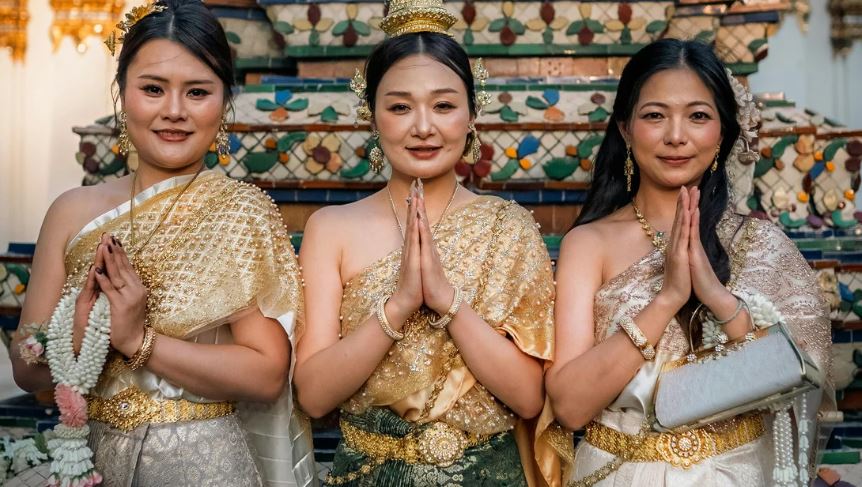
The traditional dress of Tripura’s tribes, such as the Rignai, Risa, Leepa, and Kamchwlwi Borok, is deeply reflective of their ancestral roots. Each community, from the Tripuri to the Reang and Jamatia, has its own distinct textile patterns, colour choices, and styles of draping, all of which carry cultural meanings.
These garments are more than functional clothing; they act as storytelling tools. Patterns woven into the fabrics often represent elements of nature, folklore, or spiritual symbols. The Rignai, for instance, features motifs that distinguish marital status, clan lineage, or the occasion for which it is worn.
This visual language, passed from one generation to the next, plays a vital role in preserving not just aesthetics, but history, values, and collective memory.
Why Is the Tripura Tribal Traditional Dress Important for Preserving Identity?
The traditional attire worn by Tripura’s tribal communities acts as a marker of identity in both personal and communal contexts. At a time when globalisation threatens to homogenise cultural differences, the Tripura tribal traditional dress stands as a form of resistance and remembrance.
For many tribal members, especially in rural areas, these garments are worn daily, not only for comfort in the humid climate but also to affirm their belonging. During festivals, weddings, and official functions, the donning of traditional attire becomes a public statement of pride and cultural continuity.
When individuals wear garments like the Kamchwlwi Borok or Rabung, they are not just choosing a fashion, they are making a declaration of who they are, where they come from, and what values they carry forward.
Moreover, the act of wearing traditional dress reinforces community cohesion, fostering a shared sense of heritage that transcends generations.
What Role Does Weaving Play in Sustaining Tribal Narratives?
Weaving in Tripura is not just a craft, it is a form of living history. Women, in particular, are the custodians of this heritage, as they are often the primary weavers within households.
The techniques, especially the use of backstrap looms, are passed from mothers to daughters, along with the stories behind the motifs they produce.
Through the rhythmic movement of threads, artisans embed ancestral tales into cloth, ensuring that each item of clothing becomes a canvas of cultural expression.
Many of the symbols woven into the garments, such as spirals representing the cycle of life, or triangles symbolising fertility, have meanings rooted in tribal cosmology.
By supporting and wearing these handmade textiles, the community not only preserves its material culture but also keeps alive the oral histories and traditions associated with them.
How Is Traditional Attire Used in Rituals and Celebrations?
In Tripura, tribal attire is deeply embedded in ceremonial life. Festivals like Garia Puja, Mamita, and Buisu are marked by vibrant displays of traditional clothing, where men and women dress in elaborate versions of their usual wear. The significance is not only visual, it is spiritual and communal.
For instance, the Risa is often used in rituals involving blessings, offerings, or transitions like marriage and coming-of-age ceremonies.
The Kamchwlwi Borok, being unisex, symbolises tribal unity during religious gatherings, while the Rabung is reserved for moments of humility and devotion.
These ceremonial uses reinforce the sacred value of traditional dress, making it inseparable from the social and religious identity of the tribes. Such events also serve as a powerful reminder to younger generations of the importance of cultural preservation.
What Challenges Threaten the Continuity of Tribal Dress Today?
Despite its cultural richness, the future of Tripura’s tribal attire faces challenges. Mass-produced fashion, urban migration, and lack of economic incentives for traditional weaving are contributing to a slow decline in both usage and transmission.
Youngsters, particularly those living in urban settings, may feel disconnected from their roots, opting for Western clothing that they see as more convenient or socially acceptable. This gradual shift risks severing the chain of cultural knowledge that traditional dress sustains.
Additionally, artisans often struggle with poor access to markets and limited financial support, making weaving less viable as a livelihood. Without sustained attention and infrastructure, this crucial element of Tripura’s identity could fade from daily life and cultural memory.
How Can Modern Adaptations Help Keep Traditions Alive?
Thankfully, there is a growing movement to reimagine Tripura’s tribal garments for modern contexts. Fashion designers, heritage organisations, and tribal cooperatives are working to adapt traditional fabrics into contemporary silhouettes, such as jackets, dresses, and scarves, without losing their original meaning.
These adaptations are helping younger generations reconnect with their heritage in ways that are both stylish and meaningful. By incorporating traditional motifs into modern wear, the cultural narrative lives on, reinterpreted but not erased.
Furthermore, online platforms are expanding access to authentic tribal textiles, providing economic opportunities for artisans while educating wider audiences about the significance of these garments. Such innovation ensures that the Tripura tribal traditional dress not only survives, but evolves.
Conclusion
Tripura’s tribal traditional dress is far more than just fabric, it is the lifeblood of a people’s identity. Woven with purpose, worn with pride, and passed down through generations, these garments encapsulate centuries of cultural wisdom and communal belonging.
As challenges mount in the face of modernisation, the preservation of this attire becomes an urgent act of cultural resilience.
By honouring and adapting the traditional dress of Tripura, communities ensure that their stories, values, and identity continue to shine for generations to come.